Skip to content

Speakers

EMEC26 features world-leading scientists delivering plenary, keynote, and invited lectures across the full spectrum of environmental chemistry.

Plenary Speakers

Speakers will be announced soon.

Keynote Speakers

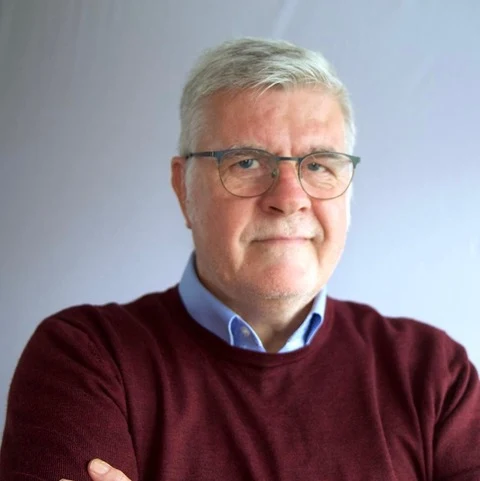
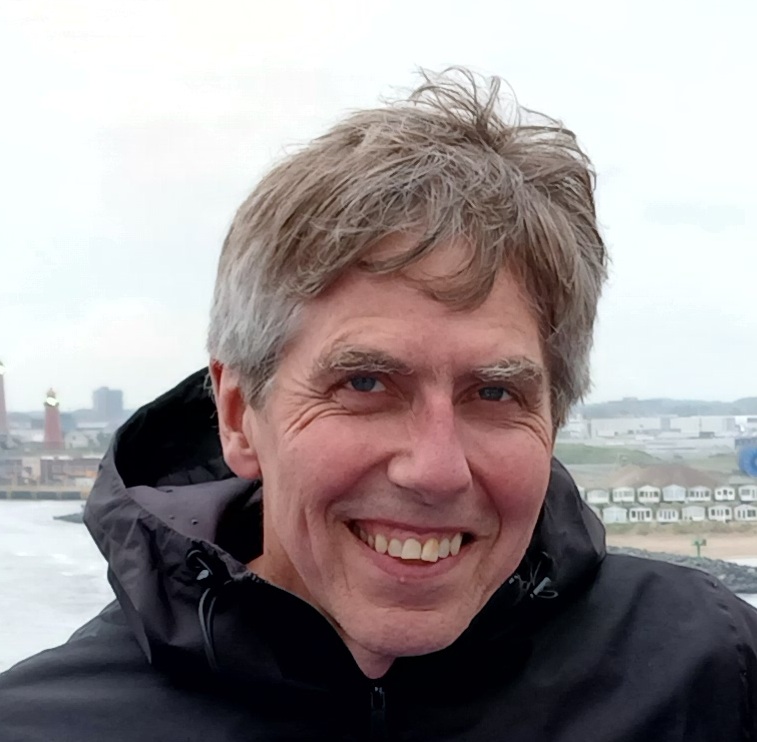
Dr Willem de Lange
Dr Willem de Lange

LaMilCo

Netherlands
Challenges in Energy Transition Amid Geopolitical Instability and Climate Variability
keynote

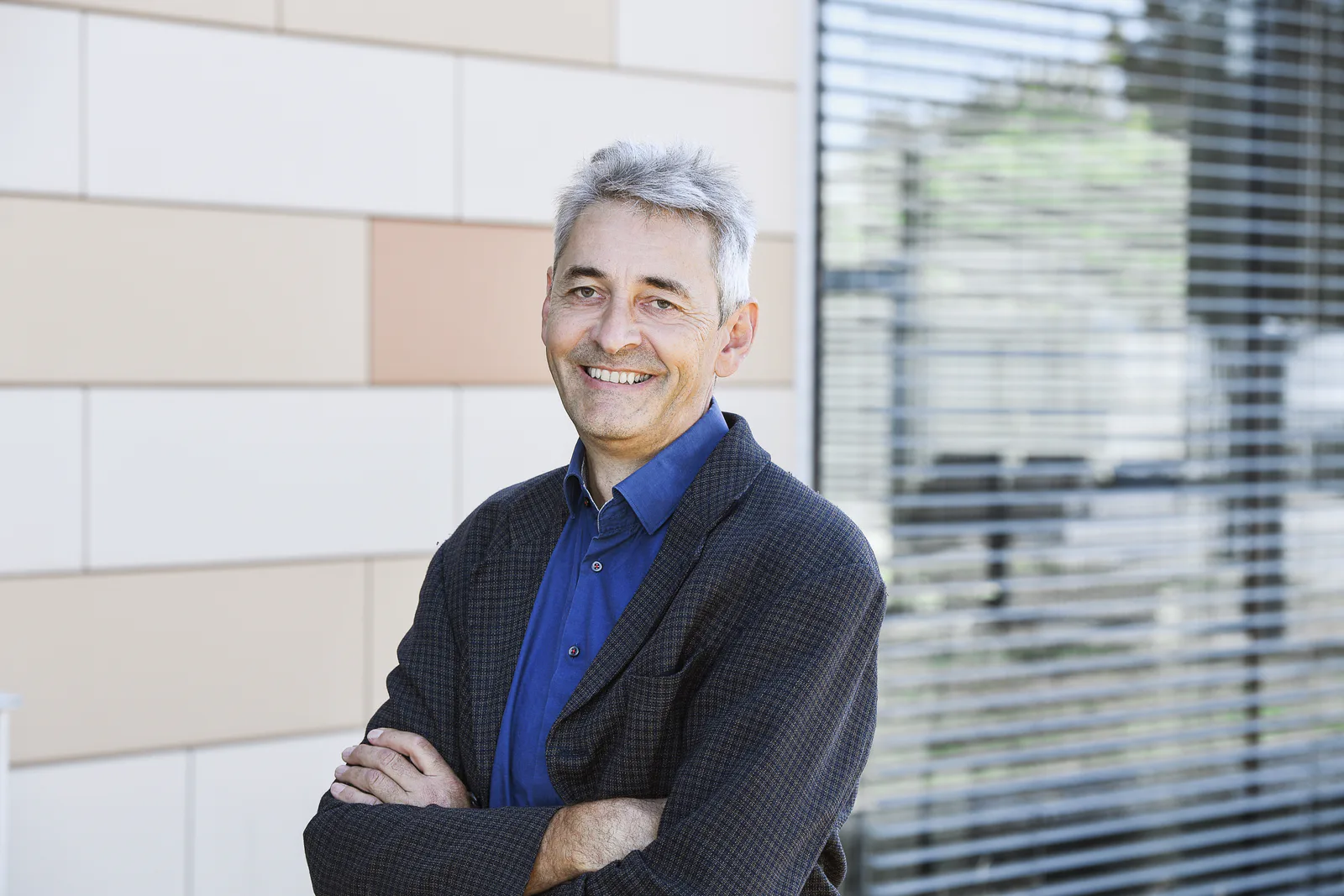
Willem de Lange is a versatile chemist and environmental scientist, founder and owner of two companies in the field of environment and sustainability, a musician, and a board member of many organizations. Since 2009, he has been the international secretary of EuChemS, Division of Chemistry and the Environment.

Back to programme
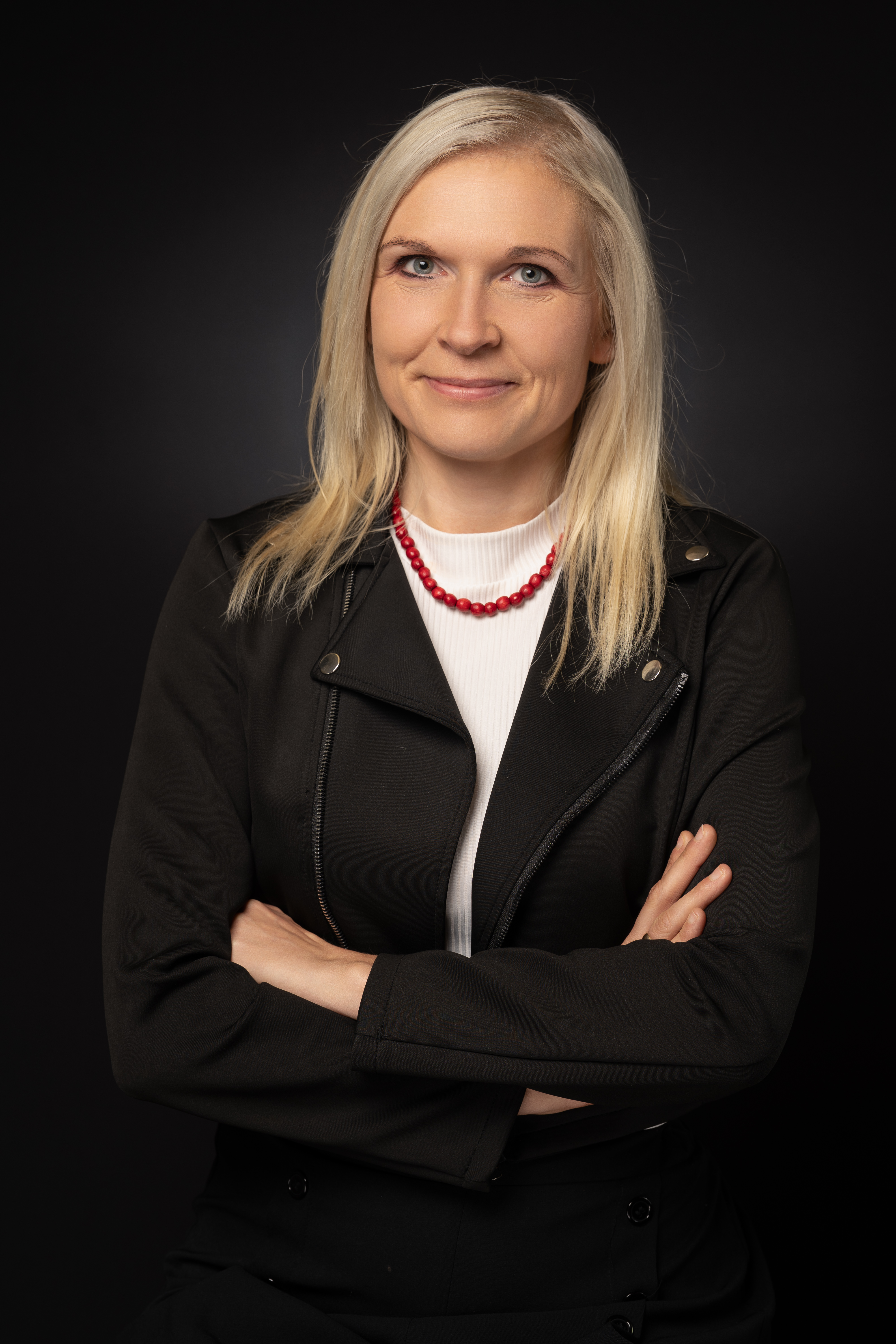
Prof. Dr. Hab. Inż. Justyna Płotka-Wasylka

Department of Analytical Chemistry, Faculty of Chemistry, Gdańsk University of Technology

Poland
Can Green Analytical Chemistry Truly Support Environmental Monitoring? Challenges in Sustainable Analysis of Emerging Contaminants
keynote

Dr. hab. Eng. Justyna Płotka-Wasylka is a Professor at the Department of Analytical Chemistry, Faculty of Chemistry, Gdańsk University of Technology, Poland, where she currently serves as Vice-Dean for Research. Her scientific interests focus on separation science, chromatography, sample preparation techniques, green solvents, and Green Analytical Chemistry, with particular emphasis on sustainable analytical methodologies and environmentally friendly sample preparation strategies. She received her MSc degree in Analytical Chemistry and Environmental Pollution Monitoring in 2010, obtained her PhD in 2014, and was awarded the habilitation degree in 2019. Prof. Płotka-Wasylka has received numerous prestigious distinctions, including the Minister of Science and Higher Education Award for Young Scientists, the Award of the Committee of Analytical Chemistry of the Polish Academy of Sciences for the Best Habilitation, and multiple Rector’s Awards for scientific achievements. She is actively involved in the international scientific community as an Editor of the Microchemical Journal and as a member of several expert panels and scientific committees in Poland and abroad. Her research contributes to the development of greener and more sustainable analytical procedures for environmental and food analysis.
Back to programme
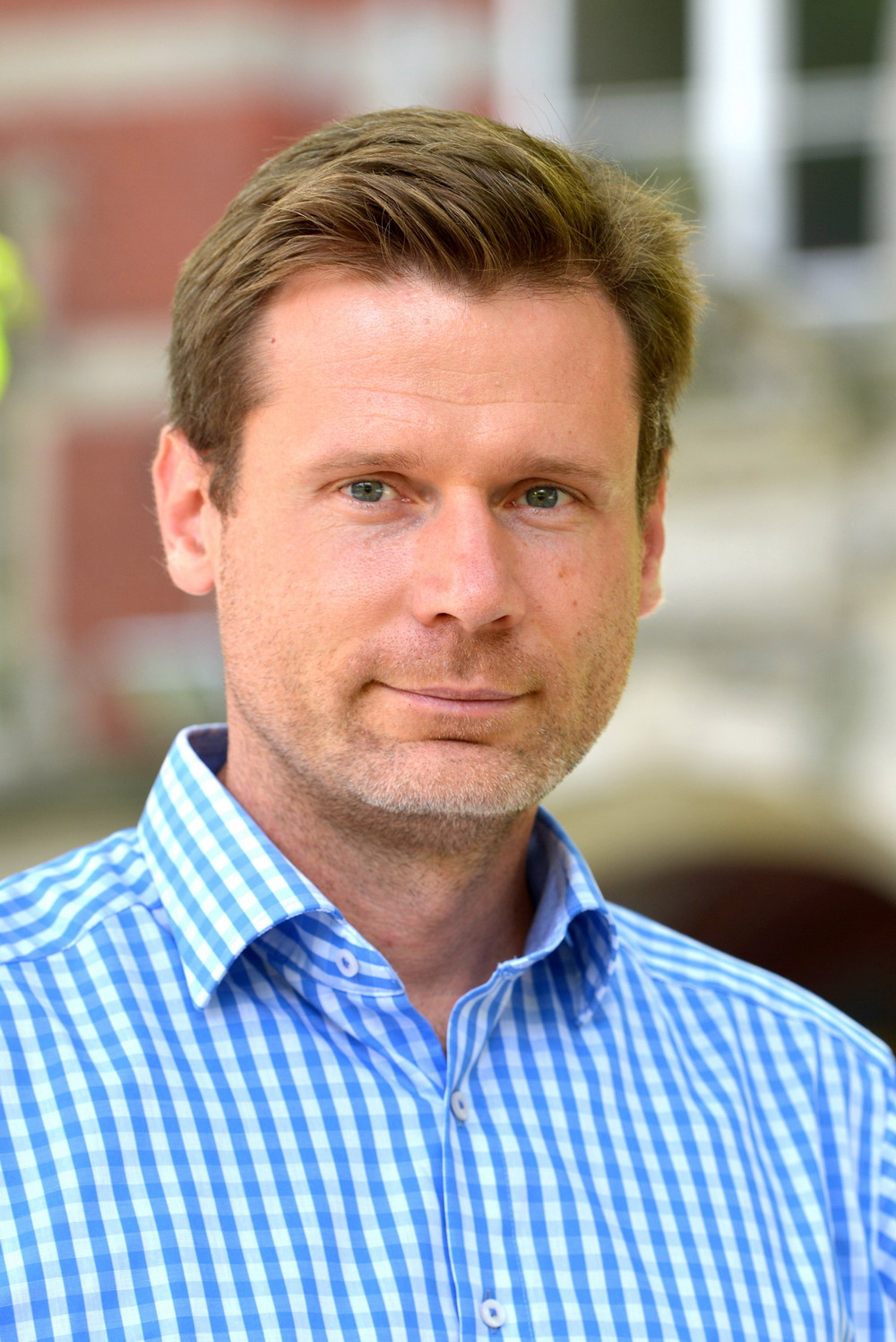
Marek Tobiszewski, Assoc. Prof.

Gdańsk University of Technology

Poland
Greenness Metrics for Environmental Analytical Chemistry
keynote

Marek Tobiszewski, Assoc. Prof. (Gdańsk University of Technology), works in analytical chemistry, especially the analysis of organic compounds in environmental and food samples and in green chemistry. His research interests include solvent-based microextraction processes and the development of accessible, simplified analytical procedures. He also studies the greenness of chemical reagents, solvents, and broader chemical processes, applying multivariate statistics and multi-criteria decision-making techniques for this purpose.

Back to programme

Invited Speakers

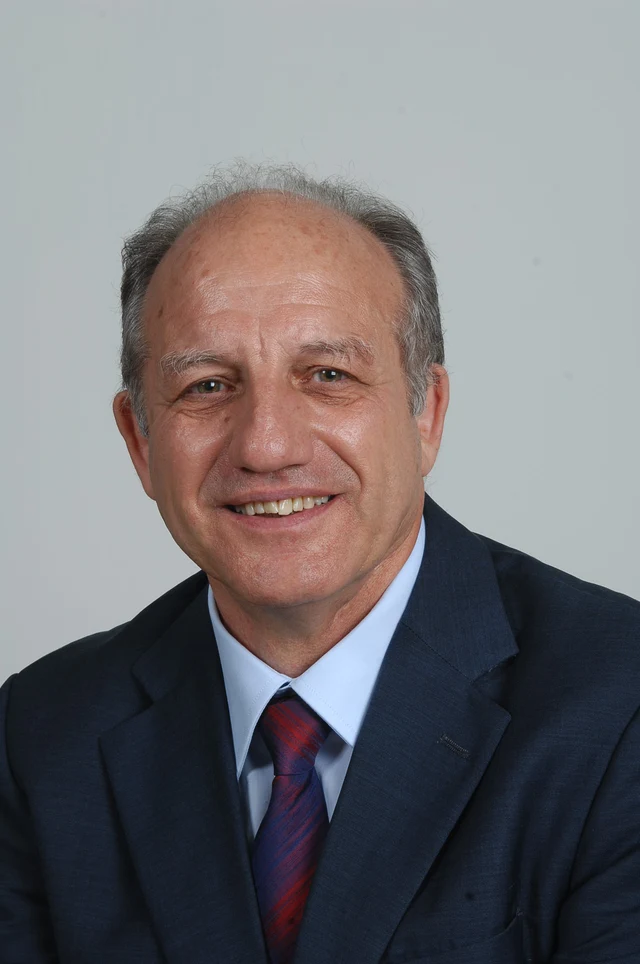
Prof. Dr. Danilo Corradini

Institute for Biological Systems, Italian National Research Council (CNR), Rome

Italy
Capillary Zone Electrophoresis: a Valuable Green Analytical Method Complementary to Reversed Phase High Performance Liquid Chromatography
invited

Dott. Danilo Corradini investigates fundamental and practical aspects of capillary electromigration techniques and HPLC at the Institute of Agronomical Biology and Biotechnology, belonging to CNR (the Italian National Research Council). He currently serves as Principal Investigator of the CNR Unit of EU Project PATHFOOD, is the Chairman of the Separation Science Group of the Italian Chemical Society, member of the Steering Committee of CEGSS, and of the Scientific Advisory Board of the International Institute of Analytical Chemistry of the Polish Academy of Sciences (Czochralski Institute, Toruń, Poland) and of the Austrian Drug Screening Institute (Innsbruck, Austria). He has received several awards and honours, including the Csaba Horváth Memorial Award from the Hungarian Society for Separation Science in 2009, the CEGSS Award in 2011, the Arnaldo Liberti Medal from SCI in 2014, the Giovanni Dugo Medal from SCI in 2021, the Prof. Andrzej Waksmundzki Award from the Polish Academy of Sciences in 2023, and the Medal Award for Lifetime Achievements from CEGSS in 2025.

Back to programme
Prof. Dr. Ian Scowen

Professor of Physical Science Innovation, Keele University

United Kingdom
‘Solids’ in the Environment: How Analytical Strategies Aligned to a Structural Hierarchy can Aid Interdisciplinary Communication.
invited

Professor Ian Scowen is a chemist and academic leader working across advanced functional materials and analytical sciences. He has extensive experience in interdisciplinary R&D and innovation at the academic–industry interface, particularly in materials science, energy technologies and pharmaceutical engineering. His research explores functionality and structure–performance relationships, underpinned by a passion for interrogating structure through X-ray crystallography and vibrational spectroscopy.

Back to programme
Prof. Dr. Gerhard Lammel

Max Planck Institute for Chemistry, Mainz, Germany, and RECETOX, Masaryk University, Brno, Czech Republic

Germany / Czech Republic
Fate and distribution of organic air pollutants – the relevance of secondary emissions
invited

Prof. Gerhard Lammel is affiliated with the Max Planck Institute for Chemistry, Germany, and is a Professor of Environmental Chemistry at RECETOX, Masaryk University, Czech Republic. His research focuses on the environmental fate and exposure of organic pollutants across large spatial and temporal scales, combining field studies, laboratory experiments, and multicompartmental modelling. He has led numerous national and international research projects and field campaigns. Prof. Lammel has authored more than 150 scientific publications, with over 6,000 citations. He has contributed to scientific assessments and policy advice for organisations including the IPCC, WHO, UNEP, UNECE-HTAP, AMAP, and WBGU.

Back to programme